
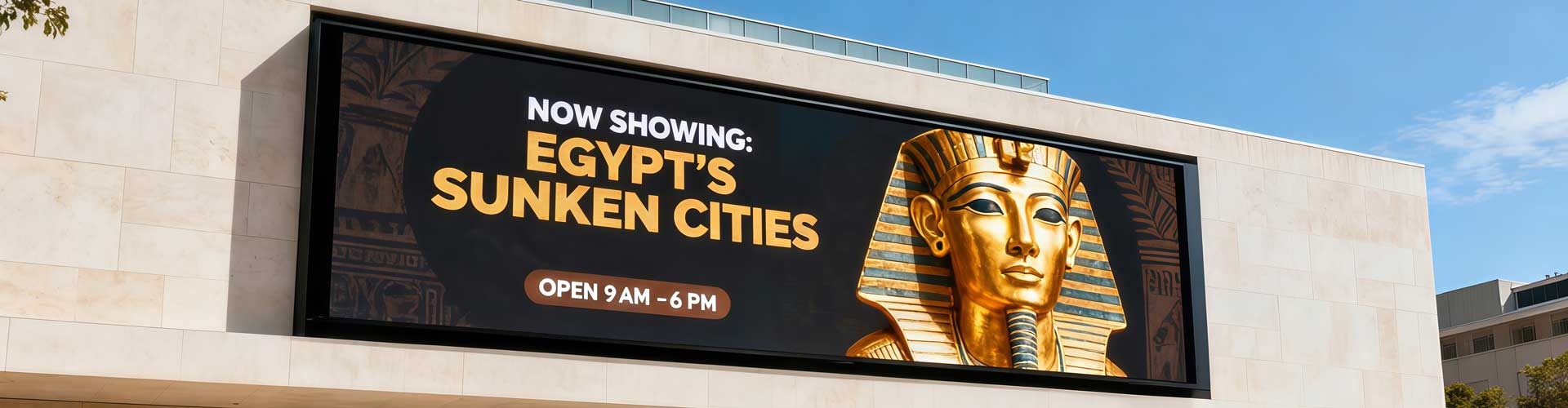
Museum LED Screen
Transform your museum into a dynamic visual environment where art, history, and technology blend seamlessly. Our professional-grade LED screens are engineered for quiet spaces, refined lighting conditions, and architectural harmony — ideal for modern exhibitions and immersive cultural storytelling.
✨ Enhance Visitor Engagement & Interaction
✨ Support Diverse Exhibition Formats
✨ Create a Modern, High-Tech Museum Atmosphere
✨ Flexible Installation Options
✨ Excellent Visibility in All Lighting Conditions
✨ Easy Content Updates Anytime

Recommended LED Display Solutions for Museums
To help museum planners, curators, and integrators choose the most suitable visual solution, here are several recommended LedInCloud LED screen types that work exceptionally well in exhibition halls, galleries, visitor centers, and lobby areas.
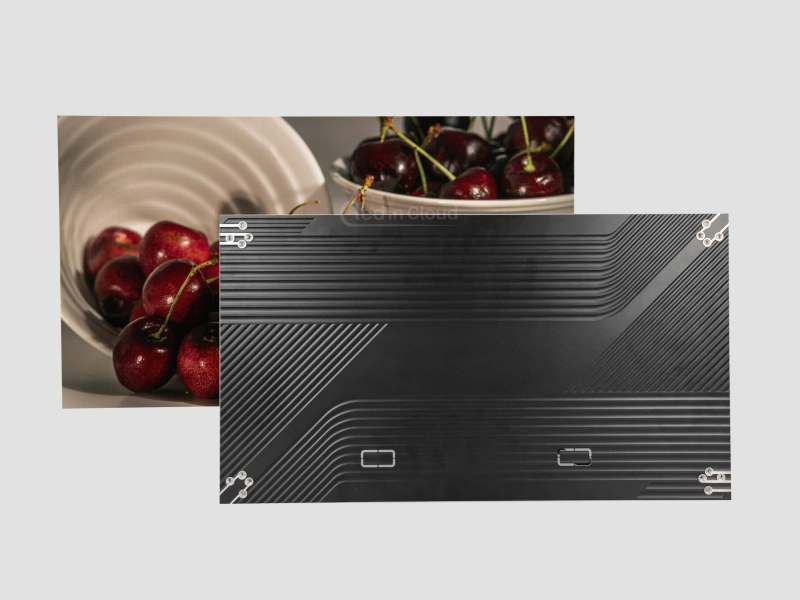
- Seamless wall-mount design
- Bright and vivid colors
- Supports 24/7 operation
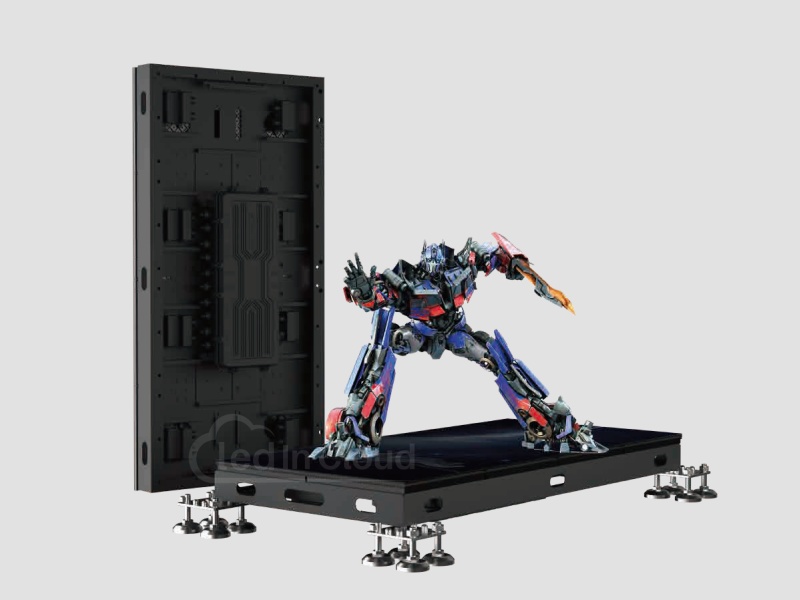
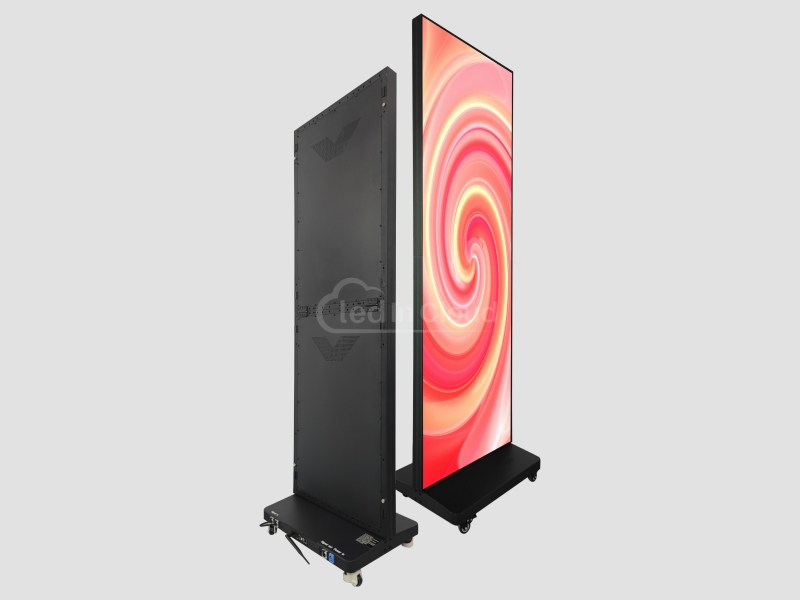
- Plug in and play videos or images
- Remote content updates
- Optional battery-powered version
LED Display Price Calculator
Just fill the sizes, and get your LED screen budget right now !
Museum Display Challenges
Unlike commercial spaces, museums have unique constraints and expectations that affect how display systems are designed, installed, and operated.
- Limited Space for Modern Display Equipment
Many museums operate in historical or architecturally significant buildings where wall space is restricted or fragile. Standard display solutions may not fit or could interfere with the existing design. Selecting compact, modular, or custom-shaped LED systems is often necessary to preserve both aesthetics and structure.
- High Visitor Expectations for Digital Interaction
Today’s audiences, especially younger visitors, expect more than static displays. Interactive, visually dynamic, or multi-sensory experiences are increasingly standard. Museums need display technologies that support engaging, intuitive, and educational visitor interactions while remaining easy to manage behind the scenes.
- Changing Exhibitions Require Flexible Display Systems
Exhibits are frequently updated or rotated to reflect new collections, themes, or temporary events. Fixed displays can limit curatorial creativity. Flexible, modular, or movable LED solutions allow the museum to quickly adapt spaces without structural modifications.
- High Visitor Expectations for Digital Interaction
Today’s audiences, especially younger visitors, expect more than static displays. Interactive, visually dynamic, or multi-sensory experiences are increasingly standard. Museums need display technologies that support engaging, intuitive, and educational visitor interactions while remaining easy to manage behind the scenes.
How LED Enhances the Visitor Experience?
Beyond individual exhibits, LED displays influence the entire visitor journey.
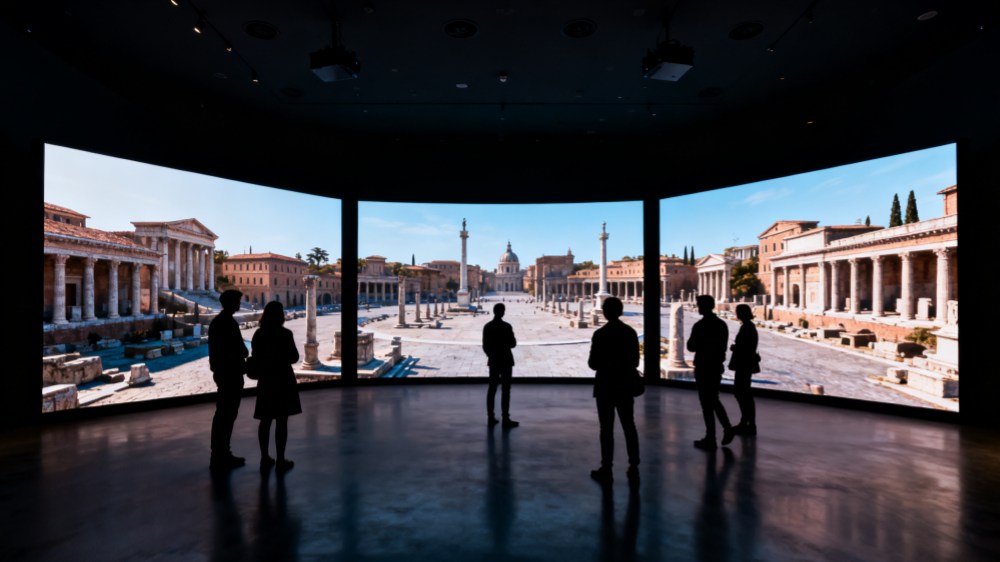
Enhancing Visual Interpretation
LED screens bring complex content to life. Historical reconstructions, artistic techniques, or scientific processes become vivid and accessible, helping visitors understand exhibits more deeply through motion and dynamic visuals.
Supporting Curatorial Storytelling
Large or coordinated displays unify themes across rooms, creating a continuous narrative that connects exhibits and strengthens the overall story of the museum.
Improving Visitor Navigation & Flow
Digital signage and wayfinding help visitors move through galleries with ease, reducing confusion and maintaining a smooth, intuitive flow.

Strengthening Educational Engagement
Interactive screens turn passive observation into active learning. Touch, motion, and multimedia content engage visitors of all ages, making workshops, tours, and educational programs more memorable.
Extending Exhibition Relevance
Digital displays allow instant content updates. Seasonal themes, temporary exhibits, or new research can be integrated seamlessly, keeping exhibitions fresh and relevant.
LedInCloud LED Display Value Snapshot
How our display performs in quiet spaces, how it integrates with the building, and how reliably it can support daily public operation.
Designed for Museum Environments
Low-noise power systems, stable refresh rates, and minimal heat emission make our screens suitable for silent galleries and preservation-sensitive spaces.
Exhibition-Calibrated Visual Performance
Precision brightness control, soft color reproduction, and optimized contrast ensure comfortable viewing without overwhelming artworks or artifacts.
Seamless Architectural Integration
Ultra-thin panels, hidden cable routing, and flexible installation options allow LED screens to blend naturally with modern or classical interior structures.
Long-Term Reliability for Daily Operation
Engineered for continuous 10–12 hour use with minimal maintenance. Ideal for permanent exhibitions, high-traffic galleries, and educational centers.
Why Choose Us?
LedInCloud delivers not just hardware, but a full-service, curated experience tailored for cultural and educational environments.
Professional Expertise
With 15+ years in LED display manufacturing, we bring deep technical knowledge and hands-on project experience.
Advanced Quality Control
Every display goes through strict aging tests, color calibration, and vibration checks.
Full-Service Support
LedInCloud provides end-to-end assistance: layout planning, structural integration, controller setup, calibration, and installation guidance.
Trusted by Worldwide
With extensive experience in exhibition-grade LED solutions, LedInCloud is the partner of choice for institutions.
Frequently Asked Questions
Even with the right LED technology in place, museums often have practical questions about installation, operation, and content management.
What makes a museum LED display different from regular commercial LED screens?
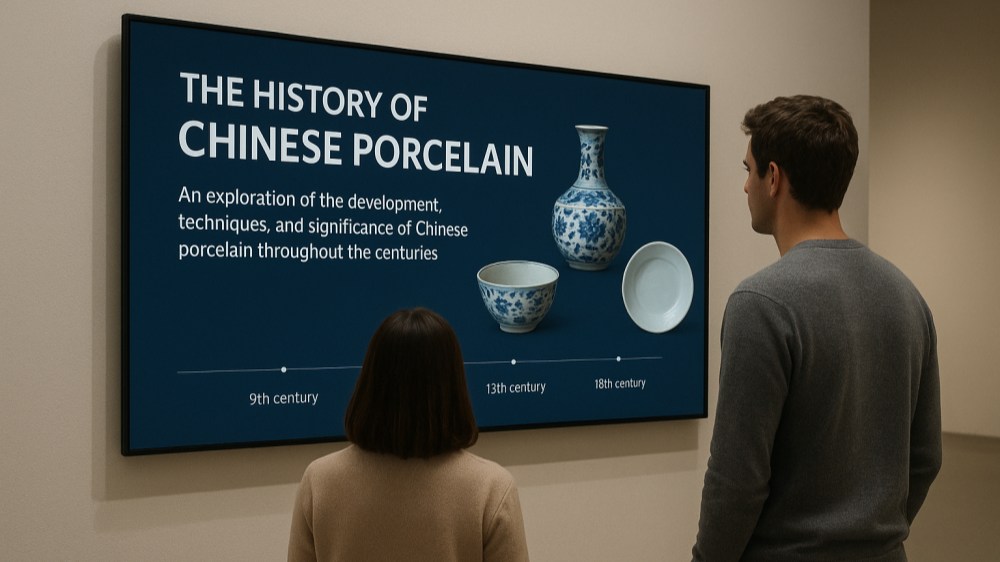
Museum LED screens are designed for close-viewing, low-light environments, and artifact preservation. They feature fine pixel pitch, low brightness with precise calibration, minimal heat emission, and quiet operation—ensuring visitor comfort and protecting sensitive artworks.
Can LED screens be installed in historic or architecturally sensitive buildings?
Yes. LedInCloud offers ultra-thin, lightweight panels and flexible mounting options. Our screens can adapt to curved walls, columns, or limited spaces without damaging historic structures, preserving the integrity of the building.
Are LED displays safe for delicate artworks?
Absolutely. Museum-grade LED screens emit minimal UV and heat, reducing risk to artifacts. Curators can also replace physical replicas with digital displays for sensitive items, allowing for public viewing without exposure.
How do LED screens support interactive exhibits?
LED displays can be paired with touch, motion, and multi-sensory technology. Visitors can engage directly with the content, creating immersive educational experiences, gamified exhibits, and guided learning environments.
Can the content be easily updated for temporary or changing exhibitions?
Yes. Digital displays allow instant content updates, making it easy to refresh seasonal themes, new research, or temporary exhibits without physical modifications to the installation.
Send Us Message
If you have any LED display projects or technical problems regarding our LED display products. Please send us a message, we will reply to you in 24 hours.
ATTENTION: lf you bought LED Display & LED Module from other suppliers, Please get help from them directly.
Museum LED Screen: A Practical Guide for Modern Exhibits
A museum LED screen can change how visitors see a piece of art. Gone are the days of static displays and simple placards. Today’s museums are dynamic spaces for storytelling. At the heart of this shift is the museum LED screen.
But what exactly is it, and why has it become so crucial? This guide will show you how the right art museum LED display can transform visitor engagement from a passive glance into an active, memorable experience.
Table of Contents
1. What is a Museum LED Screen?
A museum LED screen is a purpose-built video display used inside galleries, exhibition halls, and public spaces. It is made from many small light-emitting diodes (LEDs) packed into modules. Those modules form a larger panel or wall. Together they show moving images, high-resolution photos, and animated text.
Museum LED screens differ from consumer TVs and home projectors. They use a modular design. That makes them scalable. Curved shapes are possible. So are transparent and flexible installations. Many museum displays use fine-pitch LED technology. Fine pitch means the LEDs sit very close together. The result is sharper images at short viewing distances.
2. Types of Art Museum LED Screen
Walk into a museum today, and chances are you’ll notice more light than ever before—not the harsh kind, but the kind that moves, breathes, and quietly pulls you in.
That’s the work of a museum LED screen. And depending on the type you choose, the story it tells can feel completely different.
① Indoor Fine-Pitch LED Walls
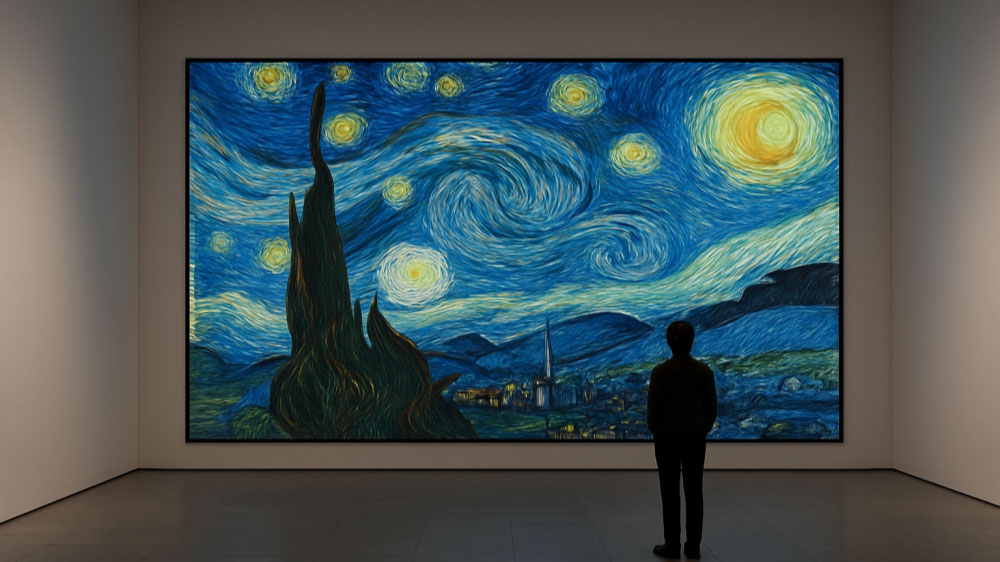
When visitors stand close, every pixel holds up. That’s what “fine pitch” means: no visible gaps, no rough edges, just continuous color and detail. A indoor LED screen is perfect for displaying paintings, ancient manuscripts, or digital reproductions without distortion.
- HD visuals, motion graphics, or detailed digital artwork.
- Immersive storytelling walls in exhibition halls.
- Background displays for guided tours or presentations.
- Digital versions of fragile artifacts
- Multi-screen historical scenes.
② Floor LED Screens
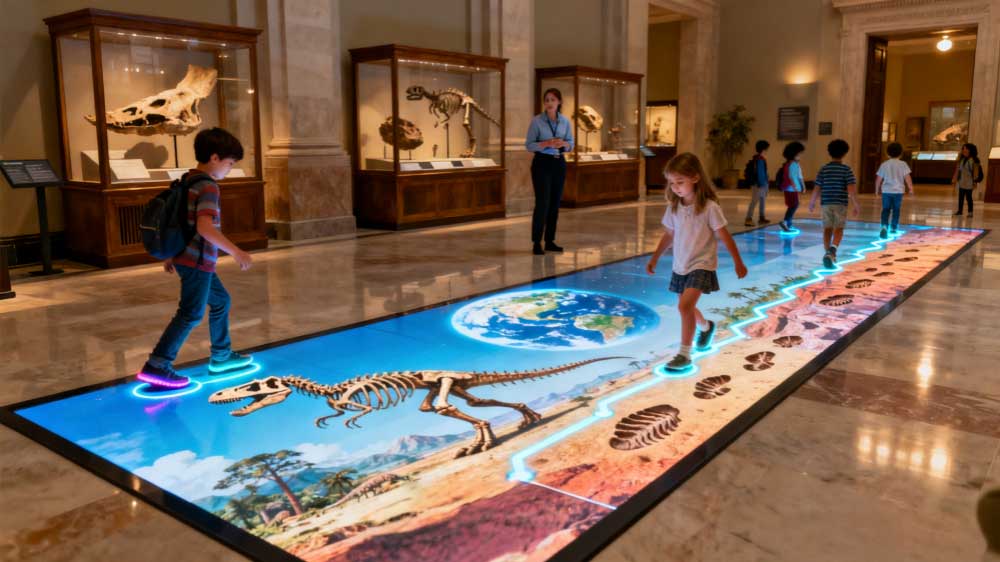
Nothing holds attention like interactivity. These LED screens invite visitors to step in to explore. They react in real time, making every move part of the narrative.
- Science and children’s museums.
- Educational or gamified exhibits.
- Artistic installations where visitors trigger light or motion.
- Themed walkways that tell a story through each step.
③ Outdoor LED Displays
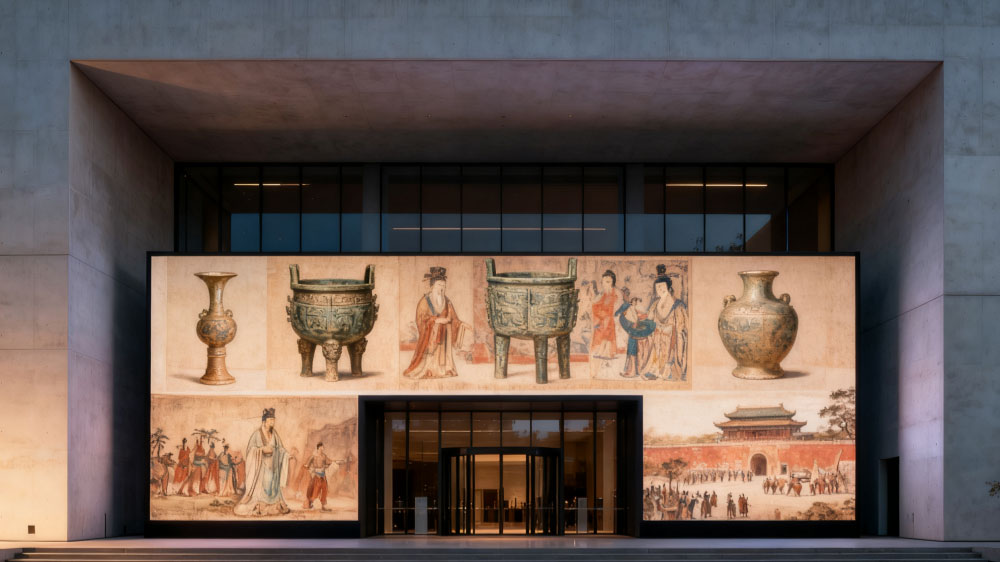
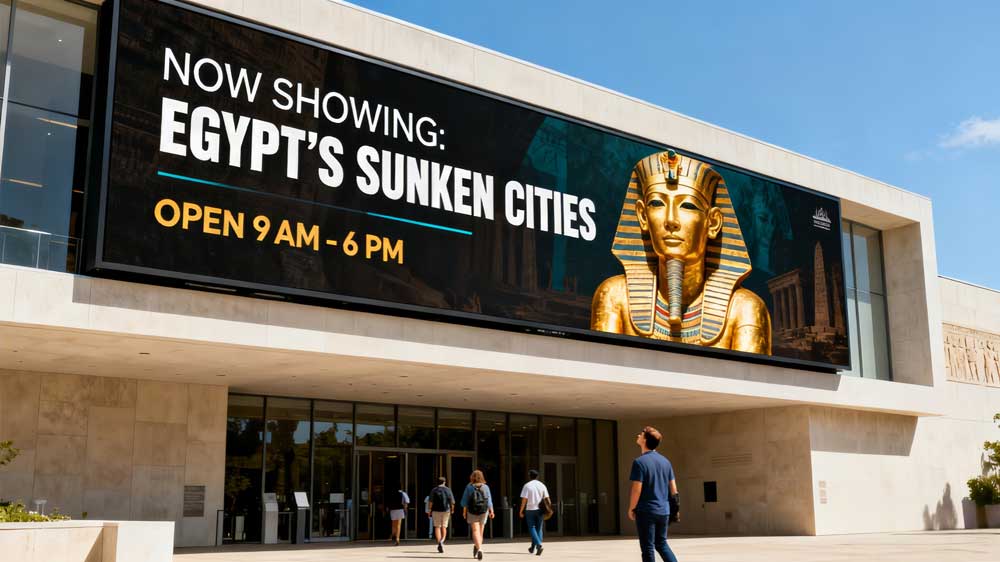
Before people even walk in, your museum can start speaking to them. A large outdoor LED screen shows upcoming exhibits, digital art, or evening projections that make the building glow like a canvas.
- Museum facades, plazas, or public courtyards.
- Large-scale event promotion or video art installations.
- Architectural projection mapping at night.
- Engaging passersby and building brand identity.
④ Curved and Flexible LED Displays
Some exhibits shouldn’t be confined to a flat wall. A flexible LED display let you shape light around architecture — wrapping columns, forming tunnels, or creating near-360° environments.
- Panoramic experiences or large-scale storytelling.
- Modern art rooms where digital media becomes part of the architecture.
- Immersive corridors or circular display zones.
- Spaces where design and content merge into one experience.
⑤ Transparent LED Screens
At first glance, they’re invisible. Then they come to life.
Transparent LED displays project text, animation, or restoration visuals directly onto the showcase without hiding the object behind it. Visitors see both: the artifact and its context, layered in one view.
- Display cases with fragile or rare artifacts.
- Overlaying animations, labels, or restoration progress visuals.
- Window installations that keep natural light and openness.
- Exhibits that mix digital storytelling with real-world context.
3. Why Use LED Screens in Museums?
A museum LED screen is not just decoration. It changes how visitors connect with what they see. When used well, an art museum LED display becomes part of the storytelling — it guides, informs, and moves people emotionally. Below are the main reasons museums around the world are adopting LED display technology.
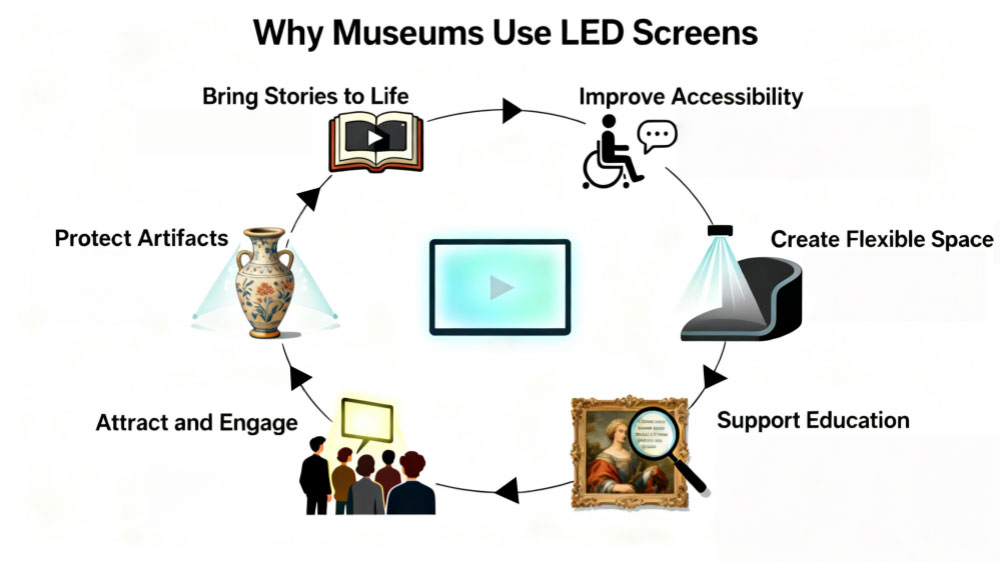
- Bring Stories to Life
Every museum has stories to tell. Traditional signs and printed boards can only show so much. A museum LED screen can play motion graphics, animations, or reconstructed scenes.
Short videos or looping visuals can help visitors understand complex histories, timelines, and scientific data faster than text ever could.
- Improve Accessibility
A good art museum LED display screen makes exhibitions more inclusive. LED screens can display multilingual captions, sign language videos, or adjustable font sizes for visitors with different needs. They can also offer audio-visual cues for people with hearing or visual challenges.
Museums can use touch or motion-based interfaces to help visitors interact directly with the content — making learning active instead of passive.
- Protect Art and Artifacts
Light and humidity are constant threats to old artworks. Traditional spotlights or projectors emit heat and UV rays that may harm sensitive materials. A museum LED screen, when properly calibrated, gives bright visuals with controlled brightness and minimal UV emission.
In many museums, LED displays now replace physical replicas for fragile objects — allowing curators to “show” a piece without exposing the real one to risk.
- Create Flexible Spaces
LED screens are modular. That means curators can reconfigure them for each new exhibition. A flat wall can turn into a curved panoramic screen or even a floor-to-ceiling digital backdrop. When the exhibition changes, the same hardware can be reused for new content. This flexibility saves long-term cost and gives the design team more freedom to experiment.
- Attract and Engage Visitors
Visitors often decide whether to enter an exhibition within seconds. A bright, well-designed art museum LED display at the entrance can set the tone and pull them in. Inside, LED screens maintain attention through movement and light, helping create memorable moments worth sharing online. That means better engagement metrics, more repeat visits, and often more ticket sales or sponsorships.
- Support Education and Research
Museums are not only for display — they are also centers of education. With a museum LED screen, curators can overlay digital content such as x-ray scans of paintings, restoration progress videos, or curator commentaries.
For science and technology museums, real-time data can be visualized on LED walls — turning abstract information into something visual and easy to grasp.
4. Where to Install LED Screens in a Museum?
Placement matters as much as the screen itself. A well-placed LED display draws attention, guides visitors, and enhances storytelling.
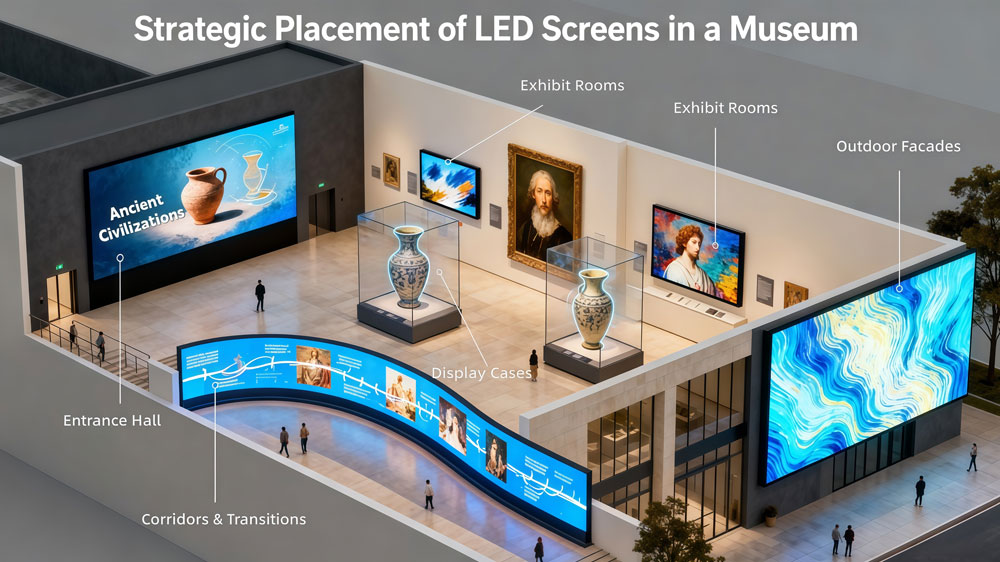
Entrance Hall: Greet visitors with dynamic visuals or exhibit highlights. First impressions count.
Exhibit Rooms: Show details, restoration work, or animations beside the actual artifacts. Screens complement the art, not overshadow it.
Display Cases: Use transparent LEDs to add context while keeping the object visible.
Corridors & Transitions: Flexible or curved screens can turn hallways into immersive pathways.
Outdoor Facades: Showcase exhibitions or public art to attract visitors even before they enter.
The goal is simple: the screen should feel like a natural part of the space, guiding visitors without distraction.
5. Real-World Projects
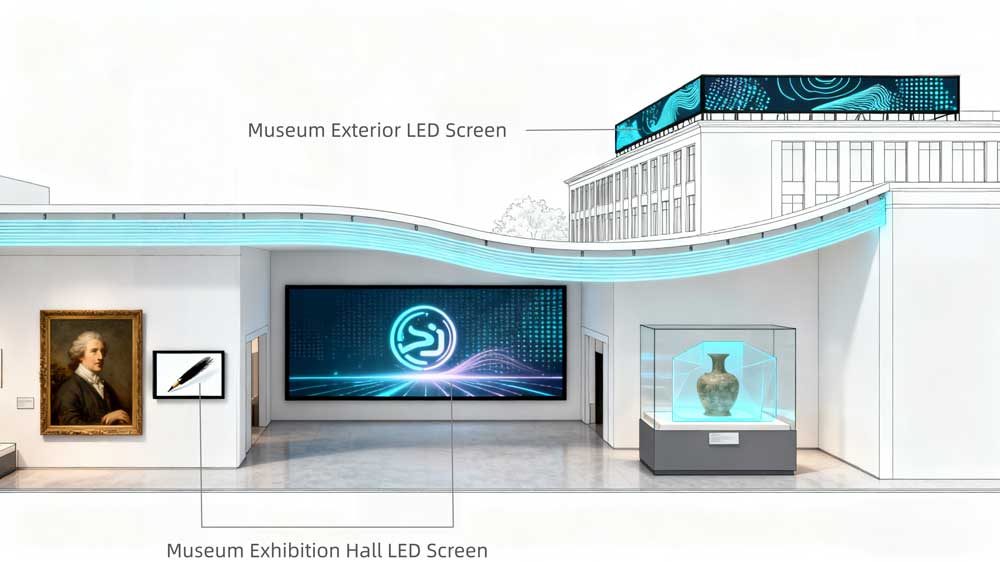
The museum in the picture recently completed a full upgrade using a custom art museum LED display screen solution. The goal was simple — to bring more life to its permanent collections without disturbing the quiet, contemplative atmosphere of the galleries.
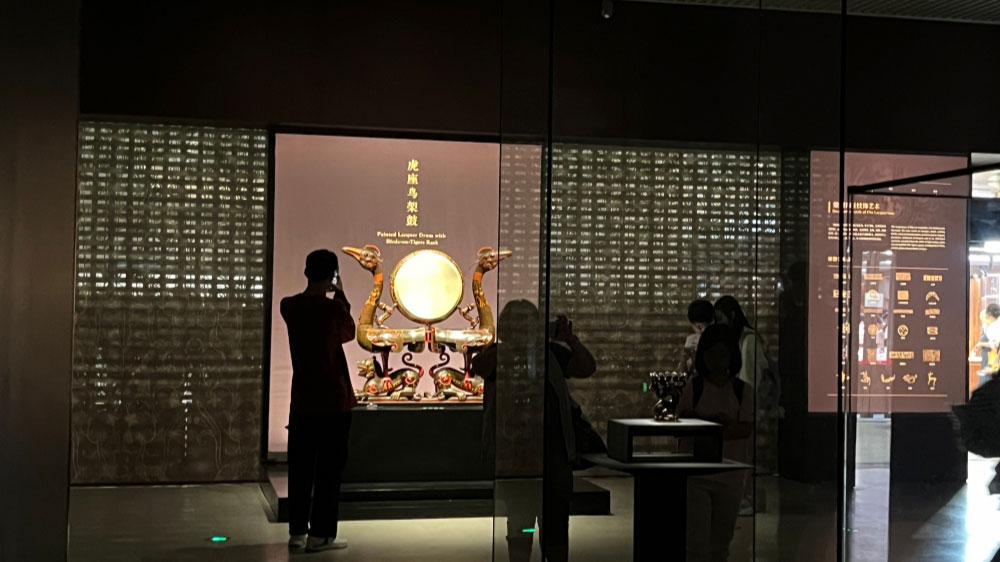
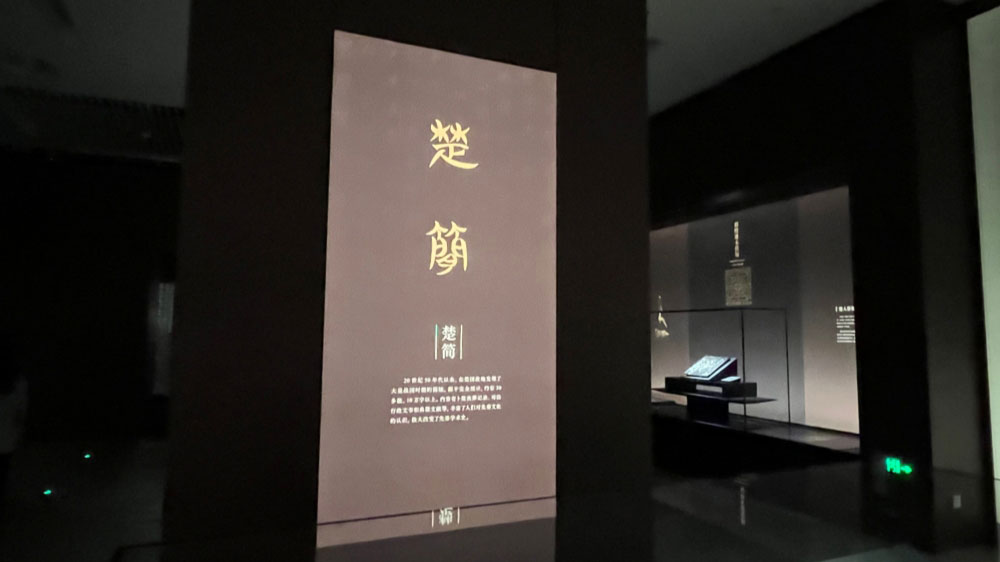
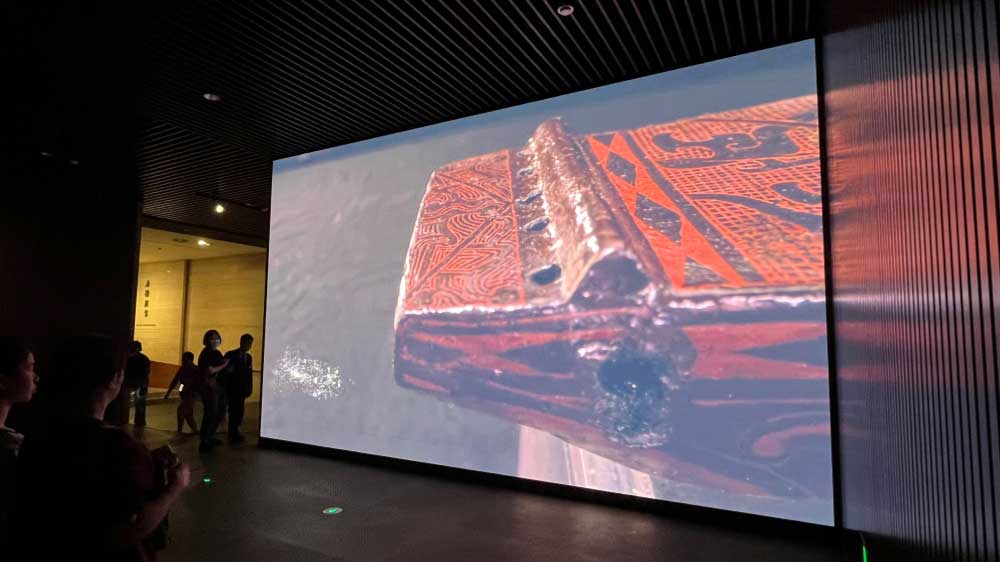
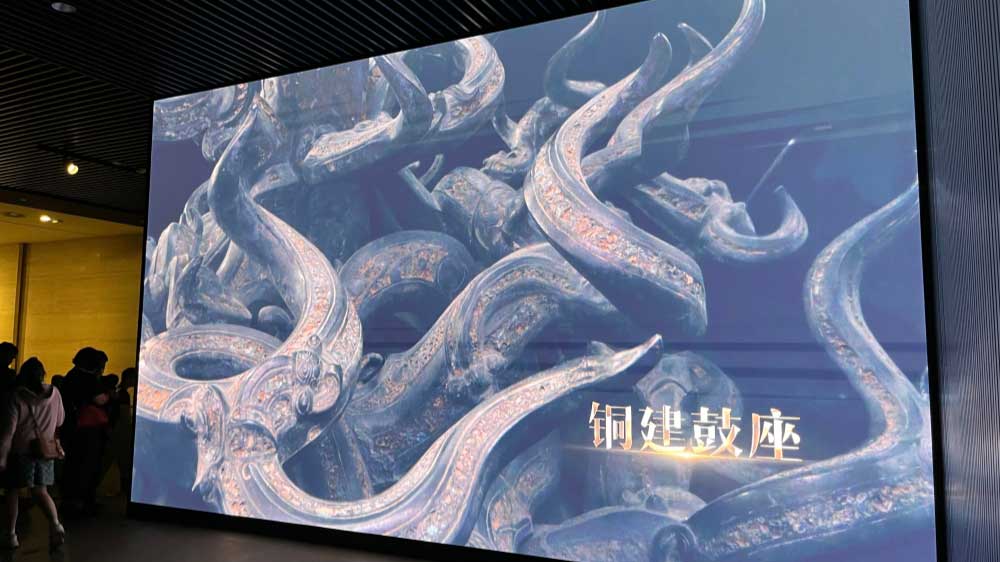
Inside the main exhibition hall, a fine-pitch museum LED screen was installed as a seamless video wall. It now plays slow-moving visuals that complement the surrounding artworks — from animated brushstrokes inspired by classic paintings to archival footage that reveals how certain artifacts were restored.
This project shows how one well-planned LED installation can transform a traditional museum space into an interactive storytelling environment. It’s not about adding more screens — it’s about using one screen thoughtfully to expand what the museum can share.
6. How to Choose the Right Museum LED Screen?
Choosing the right museum LED screen is a careful balance between technology, design, and preservation. Museums are unique spaces — quiet, controlled, and precise. Every display decision affects how visitors see and feel the exhibits. Here’s a step-by-step guide to selecting the most suitable system for your space.
(1) Start with Your Purpose
Begin by defining the role of the LED screen in your exhibition. The application determines the technical requirements.
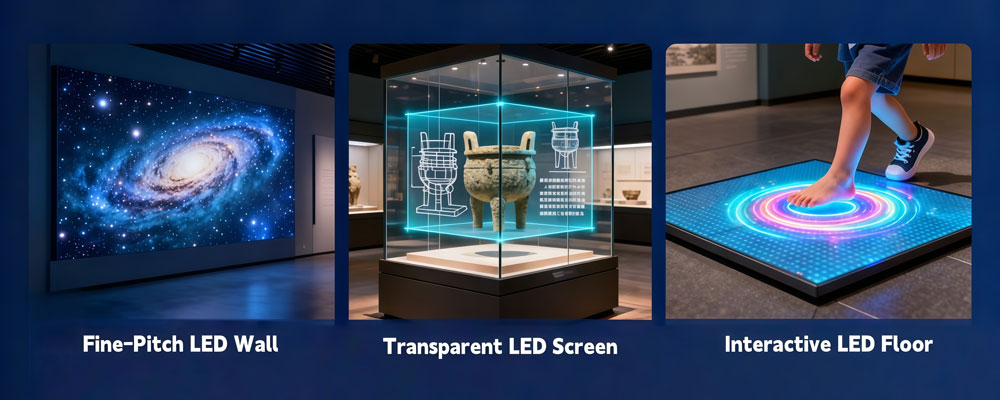
- For storytelling or background visuals: Choose a large fine-pitch LED wall. Ensure excellent color fidelity to reproduce artworks accurately.
- For highlighting artifacts inside showcases: Consider transparent LED displays. Prioritize high transparency (≥70%) so visitors can clearly see the objects behind the screen.
- For educational or hands-on zones: Use interactive LED floors or touch panels. Verify the surface’s durability and safety, especially for areas with heavy visitor flow.
Once the purpose is clear, you can focus on performance factors that truly matter.
(2) Match Pixel Pitch to Viewing Distance
Pixel pitch determines image clarity. The smaller the pitch, the sharper the image — but also the higher the cost.
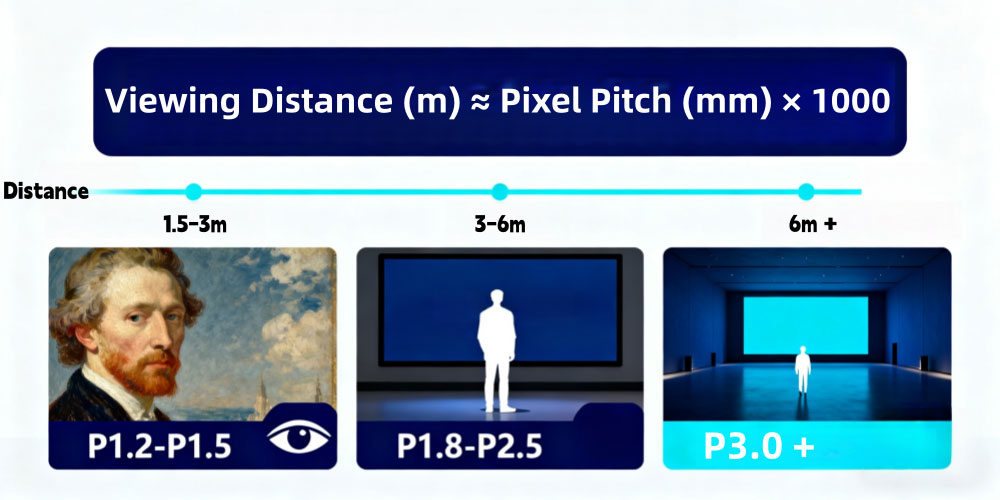
- A simple rule of thumb: Viewing Distance (in meters) ≈ Pixel Pitch (in mm) × 1000
- Close-up viewing (1.5–3 m): P1.2–P1.5 — best for fine art, manuscripts, or intricate textures.
- Medium distance (3–6 m): P1.8–P2.5 — ideal for general exhibits and storytelling walls.
- Large halls (6 m+): P3 or above — suitable for wide, open areas.
The key is to achieve a clean, seamless image at the typical viewing distance — no need to pay for detail no one can see.
(3) Get the Right Brightness Level
Too much brightness can distract from the exhibit; too little can dull the visuals. For most indoor galleries, 600–800 nits is ideal.
If your museum has significant ambient or natural light, go slightly higher — around 1000 nits.
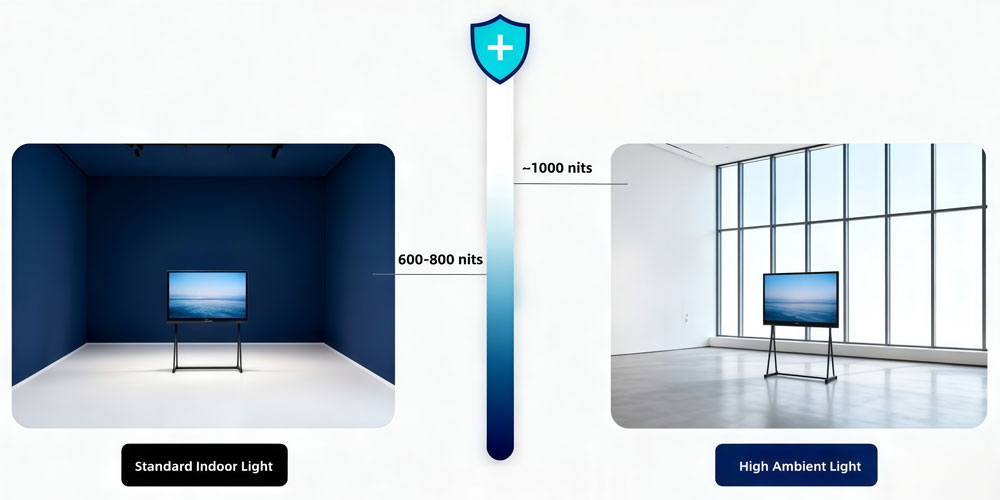
Equally important: calibrate the screen’s brightness and color temperature with your gallery’s ambient lighting. This step keeps the visuals consistent and prevents interference with sensitive artifacts.
(4) Check Color Performance
Color accuracy defines how faithfully your digital display represents the art. Outdated NTSC standards are no longer enough. Instead, look for:
- Wide color gamut coverage: ≥95% DCI-P3 or ≥130% sRGB
- High contrast ratio: ≥5000:1 for depth and realism
- 10-bit color depth or above: smoother gradients and tonal accuracy
(5) Consider the Installation Site
Museum architecture often has tight spaces, curved walls, or fragile surroundings. Choose LED structures that work with, not against, your design.
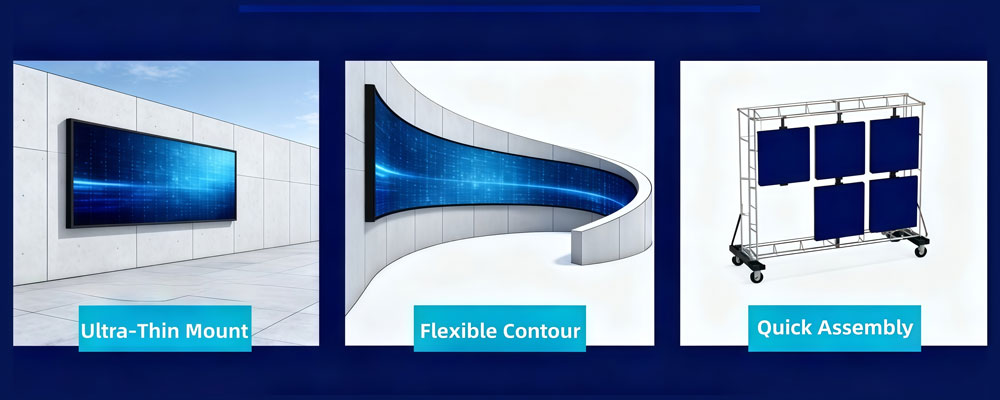
- Limited wall space: Use ultra-thin or bezel-less LED cabinets.
- Curved or irregular walls: Opt for flexible LED panels that contour with the structure.
- Temporary or mobile setups: Select lightweight rental-grade LED modules for quick installation and removal.
A well-integrated display should feel like part of the building — not a separate object.
(6) Think About Control and Maintenance
A museum LED screen runs for long hours daily. Use professional-grade LED controllers that offer smooth playback, remote control, and redundancy options. Choose front-access modules if there’s limited space behind the wall, making maintenance faster and cleaner.
(7) Test Before Installation
Always request an on-site demo or factory inspection. Observe brightness consistency, color uniformity, and refresh rate (≥3840Hz recommended). The best art museum LED display screen runs silently, stays cool, and shows no flicker under camera light.
(8) Work with Experienced Partners
Finally, collaborate with a supplier who has experience in art museum LED display projects. They can provide not only hardware, but also layout planning, calibration, and content integration — helping you achieve a result that feels seamless and intentional.
So partnering with a professional platform like LedInCloud – LED Screen Cloud Platform gives you access to trusted LED displays, resources, and solutions tailored to museum environments.
7. Creating Immersive and Interactive Experiences
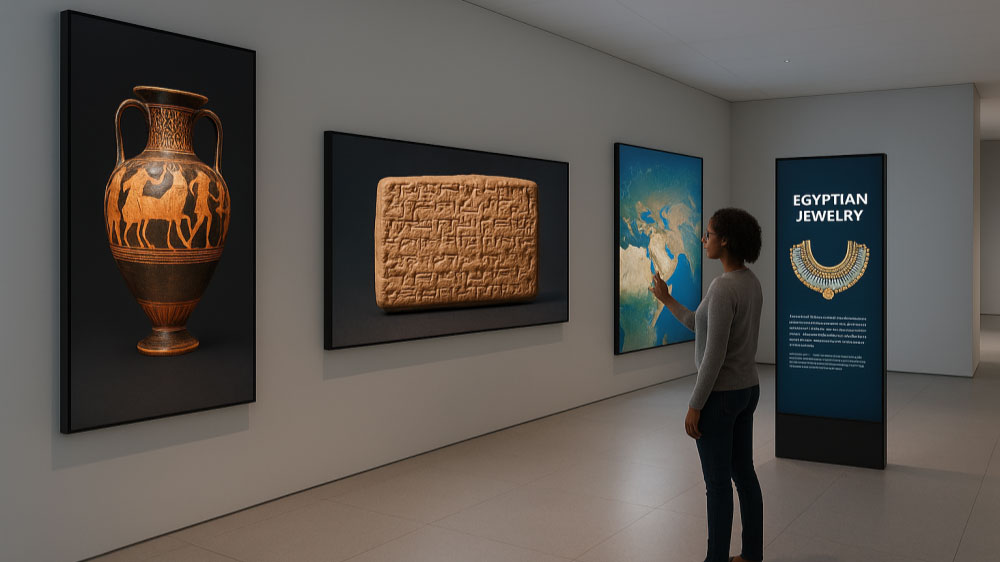
A museum visit today is no longer just about observation — it’s about participation. LED screens give curators the power to turn static galleries into living, responsive spaces.
√ Storytelling Through Motion and Scale
Large fine-pitch LED walls can envelop visitors in panoramic visuals — from ancient cities reconstructed in motion to animated interpretations of classical art. The scale and clarity make history feel alive and immediate.
√ Interactive Touch and Motion Displays
Touch-enabled LED panels and motion-sensing floors invite visitors to explore with their hands or movement. Whether uncovering layers of an archaeological site or stepping through a digital star map, the experience becomes personal and memorable.
√ Transparent and Layered Presentations
Transparent LED screens placed in front of display cases allow museums to overlay text, animation, or video without hiding the actual artifact. This layered storytelling approach connects digital context with physical history seamlessly.
√ Multi-Sensory Spaces
When LED visuals are paired with ambient sound and lighting control, galleries can shift mood in seconds — simulating day and night, climate changes, or historical environments. This sensory depth encourages longer engagement and emotional connection.
8. Conclusion
A great art museum LED display doesn’t just show images. It builds connection, creates atmosphere, and makes complex stories accessible. It’s a powerful tool to make your collection more engaging, more educational, and more memorable for every visitor who walks through your doors.
More Solutions
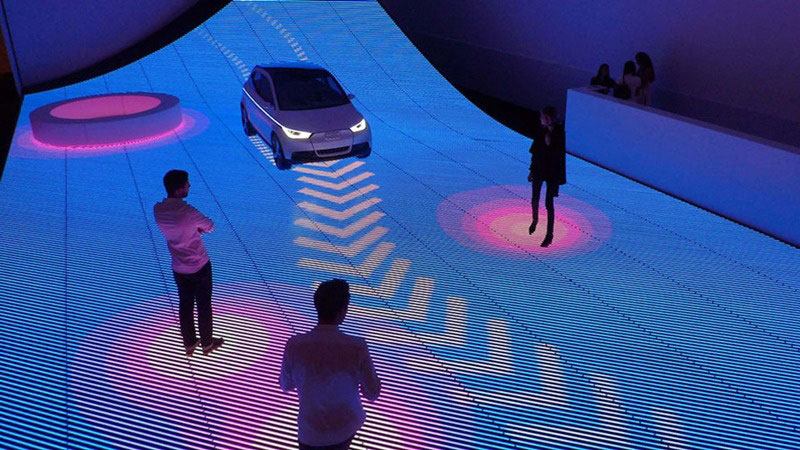
Floor LED Screen
Transform any space into an interactive experience with vivid visuals and smooth motion.

3D LED Screen
Eye-catching naked-eye 3D visuals that attract crowds and boost brand exposure in outdoor spaces.
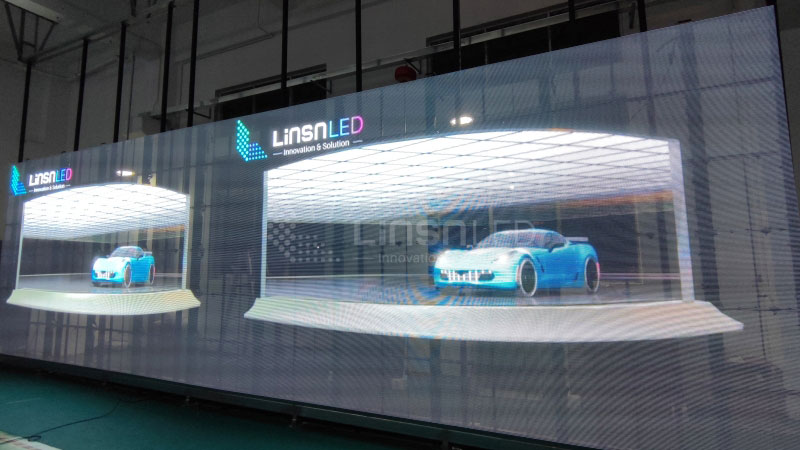
Tranparent LED Screen
Blend digital content with the real world through stunning, see-through visuals.
Indoor LED Screen
The high-definition LED screen delivers vibrant and clear visual performance.