
Outdoor LED Screen: A Practical Guide for Buyers
An outdoor LED screen is a large-format display built to run outside — in direct sunlight, heavy rain, and dusty environments. Unlike indoor screens, outdoor units need high brightness, weatherproof enclosures, and the ability to operate 24/7 without overheating.
Buying one isn’t complicated, but there are a lot of variables. Pixel pitch, brightness rating, IP rating, cabinet material — each one affects how the screen performs in your specific environment. Get them wrong, and you end up with a screen that washes out in daylight or fails after the first rainy season.
This guide covers everything you need to make a solid decision. We’ll walk through the main screen types, the specs that actually matter, real pricing factors, and what to look for in a supplier. By the end, you’ll know exactly what to ask for — and what to avoid.
1. What Is an Outdoor LED Screen?
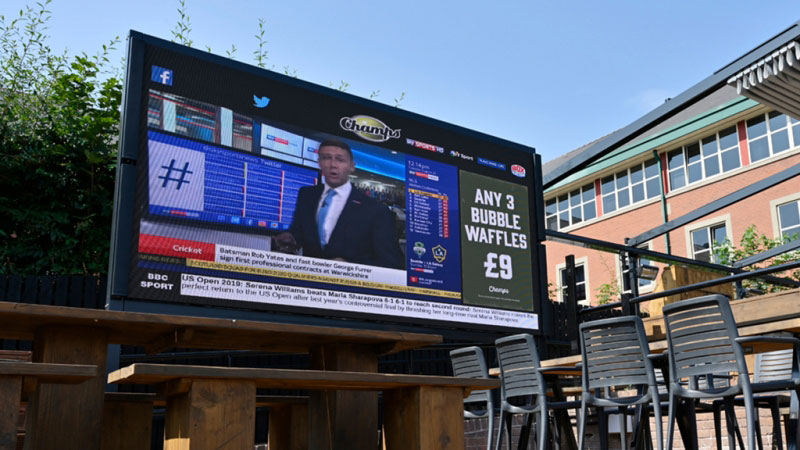
An outdoor LED screen is a display system made up of LED modules mounted inside weatherproof cabinets. These cabinets bolt together to form a screen of any size — from a small storefront display to a large billboard.
The core difference from an indoor screen comes down to two things: brightness and protection. Outdoor screens need to stay visible in direct sunlight, so most run at 5,000 nits or higher. Indoor screens rarely exceed 1,500 nits. On top of that, outdoor cabinets are sealed against dust and water — IP65 rating is the standard minimum.
Each cabinet contains LED modules, a power supply, and receiving cards that process the video signal. The modules are made up of thousands of individual RGB LEDs, each lighting up at a precise brightness level to form part of the image.
Most outdoor LED screen installations are permanent — wall-mounted, pole-mounted, or built into a building facade. And because the structure is modular, if one module fails, you replace that module only, not the whole screen.
2. How Outdoor LED Displays Work?
The basic idea is straightforward. A media player sends video content to a controller, which distributes the signal to receiving cards inside each cabinet. The receiving cards then drive the LED modules — telling each LED how bright to light up. Do that across thousands of LEDs simultaneously, and you get a full-color moving image.
Here’s how the main components fit together:
2.1 Controller
The brain of the system. It handles signal processing, color calibration, and brightness control. NovaStar and Colorlight are the two most widely used brands for outdoor installations. Most controllers support automatic dimming — outdoor screens run at full brightness during the day, but at night that level of output causes light pollution and wastes power. With an ambient light sensor, the screen adjusts on its own without manual input.
2.2 Receiving Cards
Installed inside each cabinet, they receive the signal from the controller and drive the LED modules directly. Each cabinet typically has one or two receiving cards depending on its size. If a receiving card fails, only that cabinet goes dark — the rest of the screen keeps running.
2.3 LED Modules
The visible part of the screen. Each module contains hundreds of individual RGB LEDs that light up at precise brightness levels to form the image. Modules are replaceable individually, so if one fails, you swap that module out without touching the rest of the screen.
2.4 Power Supply
Each cabinet has its own power supply unit that converts AC power to the DC voltage the modules and receiving cards need. Having a separate power supply per cabinet means a single failure doesn’t take down the whole screen — just one cabinet at most.
2.5 Content Management
Content is managed through software — NovaStar uses NovaLCT for local setup and VNNOX for cloud-based remote control. This means you can update what’s playing without sending anyone to the site. For large networks with multiple screens across different locations, remote management is a significant time saver.
One thing worth knowing: the screen itself doesn’t store content. Everything runs through the controller and media player in real time.
3. Types of Outdoor LED Wall
Outdoor LED screens come in different types. You can look at them from two angles — how they’re installed, or what they look like. Both matter when you’re making a decision.
3.1 By Installation Type
✔ Fixed Outdoor LED Screen
The most common type. Cabinets are permanently mounted to a wall, pole, or steel frame. They’re designed for long-term installations — advertising boards, sports venues, transport hubs, and building facades. Most fixed outdoor screens use aluminum or magnesium alloy cabinets, with pixel pitches ranging from P2.5 to P10.
✔ Rental Outdoor LED Screen
Built for fast setup and teardown. LED video wall rentals cabinets are lighter — typically under 25 kg/m² — and use tool-free connectors so panels lock together quickly. IP54 is the standard rating for rental screens, which is enough for light rain at an outdoor event. If you’re running concerts, sports events, or trade shows, a rental screen is the right choice.
✔ Mobile Trailer Screen
A fully self-contained unit — screen, controller, and power source all mounted on a towable trailer. You drive it to the location, level it, and start running content. It’s the right solution for roadshows, outdoor events without permanent power infrastructure, or any situation where you need a large outdoor LED display screen without building anything permanent.
3.2 By Display Form
✔ Flat Outdoor LED Screen
The standard form. Most fixed and rental screens are flat. Cabinets are rectangular and tile together in a grid. This is the most cost-effective option and works for the majority of outdoor installations.
✔ Curved & Flexible Outdoor LED Screen
Both types are designed for non-flat installations, but they work differently. A curved screen uses standard rigid cabinets — the curve is created by adjusting the angle between cabinet joints, typically up to 15° per joint. This works well for gentle curves like building corners or stadium facades. A flexible screen uses soft modules that bend at the module level, allowing much tighter radii — useful for cylindrical columns, arches, or irregular surfaces where rigid cabinets won’t fit. Flexible modules cost more and are harder to service, so only use them when the curve is too tight for standard cabinets.
✔ Transparent Outdoor LED Screen
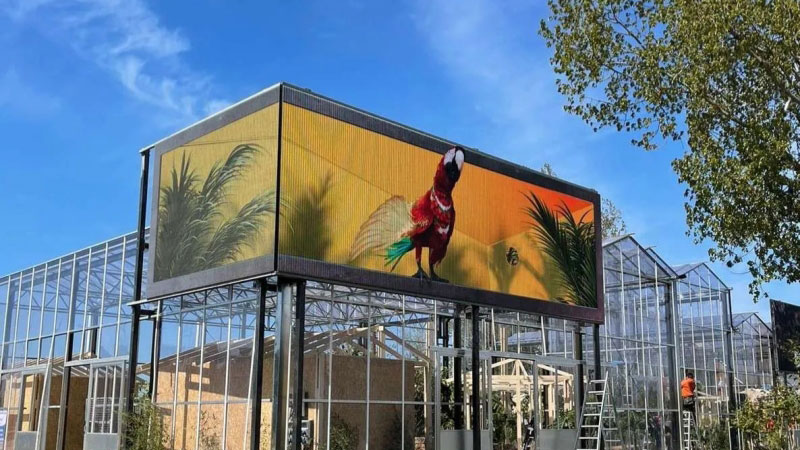
Transparent LED screen lets light pass through while displaying content. Transparency typically ranges from 50% to 80% depending on pixel pitch. They’re popular for glass building facades and retail storefronts where blocking the view would be a problem. Because of the open module structure, brightness needs to be higher — usually 4,000 to 6,000 nits — to keep content visible in daylight.
✔ 3D Outdoor LED Screen
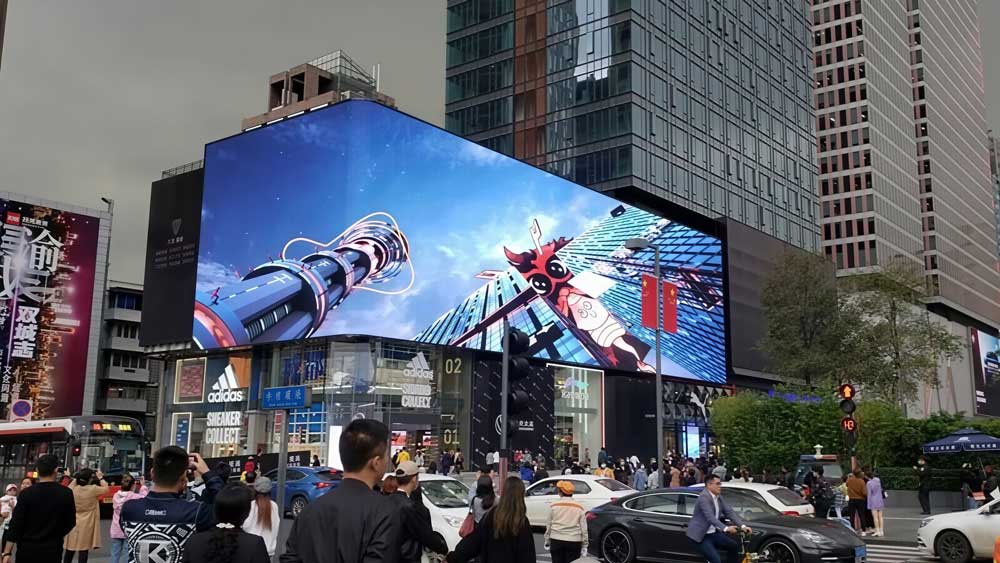
3D LED screens use two flat panels installed at a 90-degree corner. Content is designed specifically for that L-shaped angle, creating a naked-eye 3D effect for viewers standing in front of the corner. The effect only works from a specific viewing zone, so foot traffic patterns matter when planning the installation. These are most common in high-traffic retail and entertainment districts.
4. Key Specs
These are the specs that directly affect performance. Skip any of them and you risk buying the wrong screen.
4.1 Brightness
Measured in nits. Outdoor screens need enough brightness to stay visible in direct sunlight. Anything below 4,000 nits washes out badly in bright conditions.
| Environment | Recommended Brightness |
| Shaded outdoor area | 4,000–5,000 nits |
| Standard outdoor installation | 5,000–7,000 nits |
| South-facing / very sunny climate | 7,000–10,000 nits |
Most screens also support auto-dimming at night to save power and reduce light pollution.

4.2 IP Rating
Tells you how well the cabinet is sealed against dust and water. IP65 is the minimum for fixed outdoor installations.
| IP Rating | Protection Level | Best For |
| IP54 | Splash-proof | Rental / event use |
| IP65 | Dustproof + water jets | Standard fixed outdoor |
| IP67 | Temporary submersion up to 1 m | Flood-prone locations |
4.3 Pixel Pitch
The distance in millimeters between LED clusters. Smaller pitch = higher resolution = higher cost. Match it to your viewing distance — buying finer pitch than you need is wasted money.
| Pixel Pitch | Minimum Viewing Distance | Typical Use |
| P2.5 | 2–5 m | Small facades, close-range events |
| P4 | 5–10 m | Storefronts, outdoor stages |
| P6 | 10–20 m | Roadside displays, building walls |
| P8 | 15–30 m | Highways, large venue perimeters |
| P10 | 20 m+ | Billboards, large-format advertising |
4.4 SMD vs DIP
Two main LED encapsulation types used in outdoor screens.
| SMD | DIP | |
| Structure | RGB in one unit | Three separate LED pins |
| Color mixing | Better | Average |
| Viewing angle | Wider | Narrower |
| Durability | Standard | More robust in harsh exposure |
| Best for | Most outdoor applications | Highway billboards, high-exposure sites |
SMD is the standard choice today. DIP is still used in some extreme environments where physical robustness matters more than color performance.
4.5 Refresh Rate
How many times per second the screen redraws the image.
| Refresh Rate | Suitable For |
| 1,920 Hz | Standard outdoor advertising |
| 3,840 Hz+ | Live broadcasts, sports events, concerts |
If the screen will be filmed frequently, go for 3,840 Hz or higher — lower refresh rates cause moiré patterns in camera footage.
4.6 Cabinet Material
| Material | Weight | Heat Dissipation | Best For |
| Die-cast aluminum | Light | Good | Most fixed outdoor installations |
| Magnesium alloy | Lighter | Better | Large elevated installations |
| Steel | Heavy | Average | Ground-level permanent installs |
LedInCloud’s MA960 PRO series uses magnesium alloy cabinets, which makes a noticeable difference on large wall-mounted or elevated structures.
4.7 Screen Resolution
Resolution is determined by the total number of pixels across the screen — width × height. And that number depends on two things: the physical size of the screen and the pixel pitch.
| Screen Size | Pixel Pitch | Total Pixels (approx.) |
| 10 m × 5 m | P10 | 1000 × 500 |
| 10 m × 5 m | P6 | 1667 × 833 |
| 10 m × 5 m | P4 | 2500 × 1250 |
So the same physical screen size can have very different resolutions depending on the pitch you choose. For content with fine detail — text, product imagery — a smaller pitch gives you more pixels to work with. For highway billboards where viewers are 20+ meters away, P8 or P10 resolution is perfectly adequate.
5. Common Applications
Outdoor LED screens show up in more places than most people realize. Here’s where they’re actually being used — and why.

(1) Outdoor Advertising
Media companies and building owners install outdoor LED advertising screens to replace static billboards. The main advantage is flexibility — multiple campaigns can run on the same screen, content changes remotely, and ads can be scheduled by time of day. No printing, no installation crews, no waiting.
(2) Retail and Commercial
Storefronts and shopping mall exteriors use outdoor commercial LED screens to pull in foot traffic. A new promotion goes live in minutes, not days. Because the screen runs 24/7, it works as a sales tool even when the store is closed.
(3) Sports Venues
Stadiums use large outdoor LED screens for scoreboards, replays, and sponsor content. Perimeter boards are usually P8 or P10 — viewing distances are long, so fine pitch isn’t necessary. For slow-motion replays that look good on camera, 3,840 Hz refresh rate is the baseline.
(4) Entertainment and Events
Concerts, festivals, outdoor cinemas — these all run on rental screens. The priority is speed. A good rental cabinet goes from flight case to running in under 30 minutes per crew member.
(5) Transport Hubs
Airports and train stations run outdoor LED video screens around the clock — arrivals, departures, wayfinding, ads. Uptime is everything here. Fully exposed installations need 7,000 nits or more; covered areas can get away with 4,000.
(6) Building Facades
Some projects integrate LED screens directly into the building design. Transparent outdoor LED screens work well on glass facades — content plays on the surface without blocking natural light. Curved and flexible screens follow the building’s shape where flat cabinets won’t fit.
6. What Affects the Price of an Outdoor LED Screen?
There’s no single answer to this. Outdoor LED screen price depends on several factors — and understanding them helps you figure out where your budget is actually going.

(1) Pixel Pitch
This is the biggest cost driver. A P4 screen costs significantly more per square meter than a P10 screen, because you’re fitting more LEDs into the same space. If your viewing distance allows P8 or P10, there’s no reason to pay for P4.
| Pixel Pitch | Relative Cost per m² |
| P2.5 | Highest |
| P4 | High |
| P6 | Mid |
| P8 | Low-Mid |
| P10 | Lowest |
(2) Cabinet Type and Material
Magnesium alloy costs more than standard die-cast aluminum. Dual-service cabinets cost more than single-access designs. Custom cabinet sizes add tooling cost on top of that.
(3) LED Chip Brand
Not all LEDs are equal. Nationstar and Kinglight are common choices — reliable, consistent in color, and well-supported. No-brand LEDs save money upfront but cause color shift problems after a year or two of outdoor use. That means extra maintenance costs down the line.
(4) Control System
NovaStar and Colorlight are the two main controller brands. The controller affects compatibility with your content management setup and long-term software support. Cheap generic controllers may work initially but create compatibility problems later.
(5) Installation and Structural Work
The screen itself is only part of the total cost. Steel structure, electrical work, permits, and installation labor add significantly — in some projects, installation cost exceeds the screen cost. This is especially true for rooftop or large elevated wall-mounted installs.
(6) Operating Cost
Power consumption is a real ongoing cost. A larger screen running at high brightness draws significant power. Most modern outdoor LED screens support auto-dimming, which helps. But it’s worth calculating the estimated monthly power cost before committing to a size and brightness spec.
| Cost Factor | One-Time or Ongoing |
| Screen hardware | One-time |
| Steel structure | One-time |
| Installation labor | One-time |
| Permits | One-time |
| Power consumption | Ongoing |
| Maintenance | Ongoing |
Want to know the actual price for your project? Register on the LedInCloud – LED Screen Cloud Platform and check it yourself. Enter your screen size and spec, and you’ll get an itemized price straight away — no waiting for a sales response, no back-and-forth emails.
7. Why Buy from LedInCloud?
There are a lot of outdoor LED screen suppliers out there. Here’s what sets LedInCloud apart.
(1) Full Outdoor Product Range
A full range of outdoor series — including MA960, ES960, EV960 and others — covering pixel pitches from P2.5 to P10. All use die-cast aluminum or magnesium alloy cabinets with IP65 as standard.
(2) A Cloud Platform Built for Buyers
Most suppliers make you email for everything. LedInCloud’s platform lets you handle it yourself — check stock, download firmware and config files, calculate pricing, and access technical documentation. All without contacting a sales rep.
(3) Transparent Self-Service Pricing
Enter your screen size and spec on the platform, and you get a real itemized price straight away. No ballpark figures, no lengthy negotiation.
(4) Technical Support Across the Full System
LedInCloud works directly with NovaStar and Colorlight. Support covers the full system — screen hardware and control system together — so you’re not stuck in the middle when something goes wrong.
(5) Long-Term Parts Availability
Outdoor screens last 8 to 12 years. LedInCloud maintains parts availability for active product lines, so replacements are there when you need them.
LedInCloud Cases:
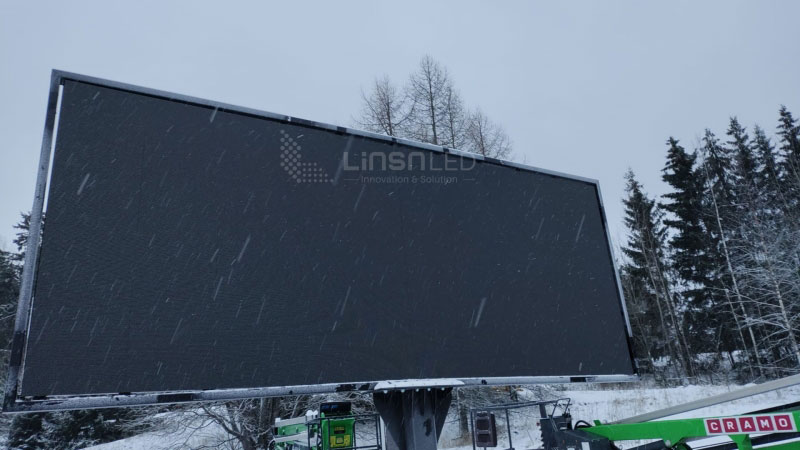
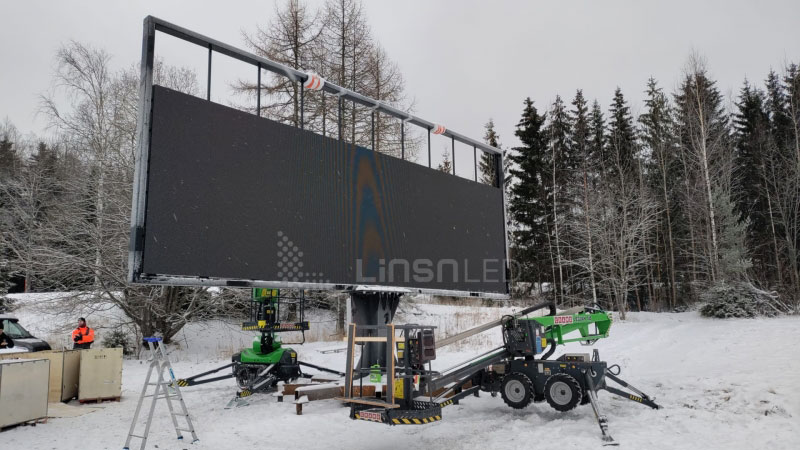
MA960 Series-P10-Finland
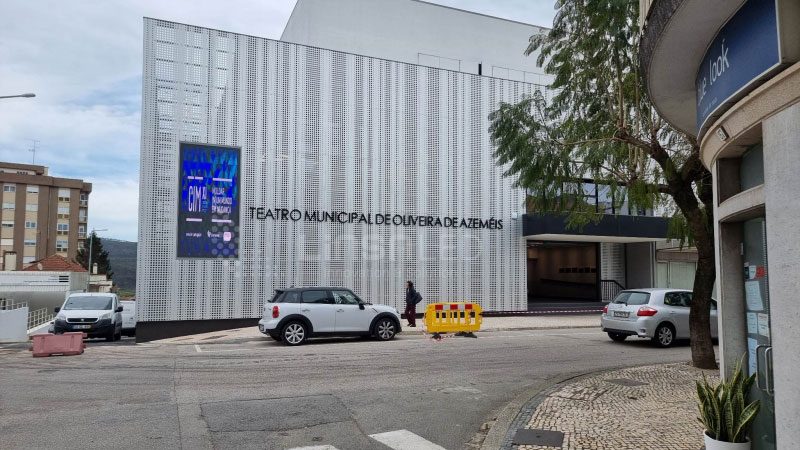
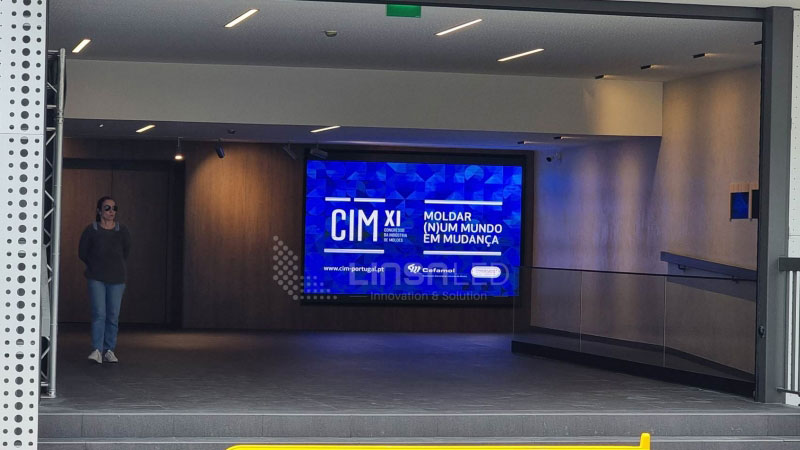
MA960 Series-P4-Portugal
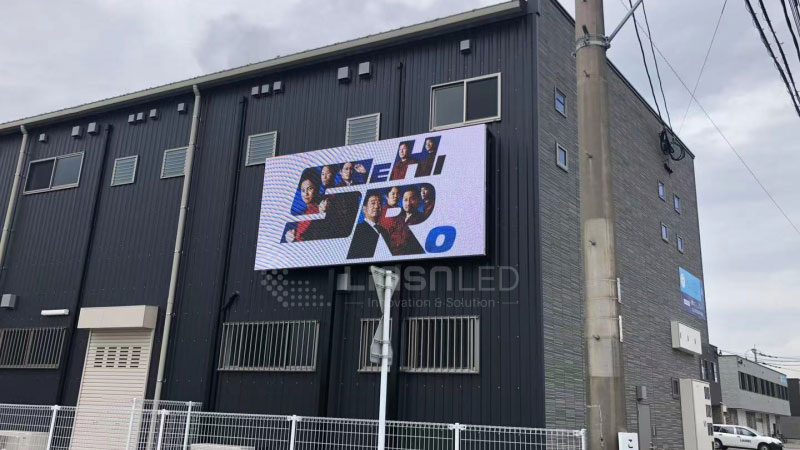
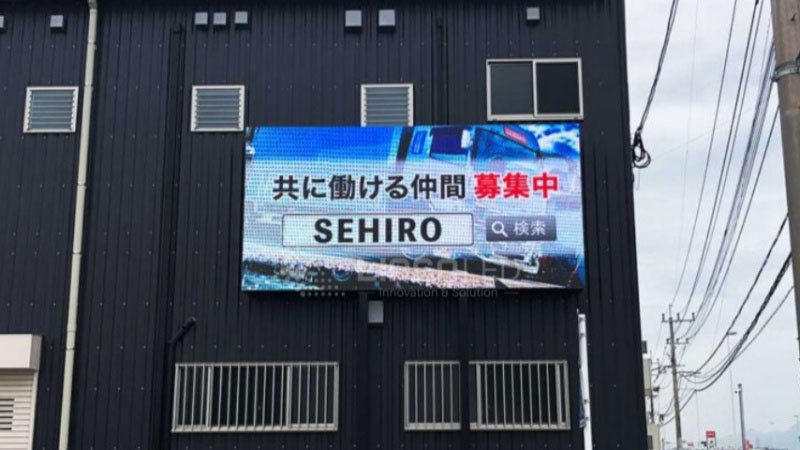
EV960 Series-P8-Japan
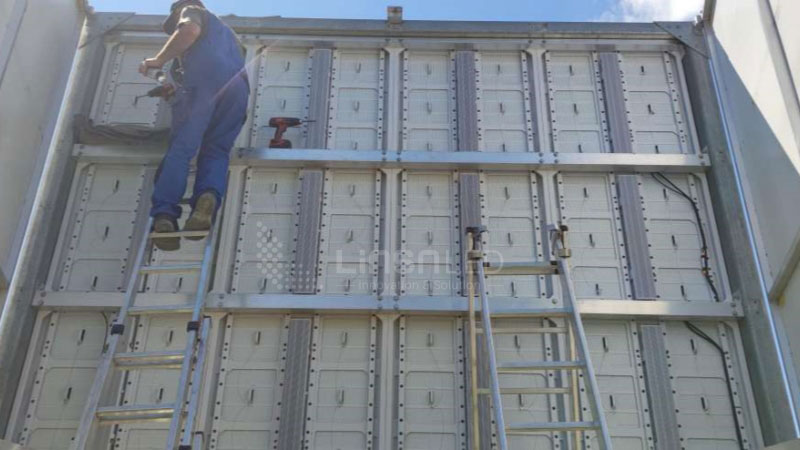
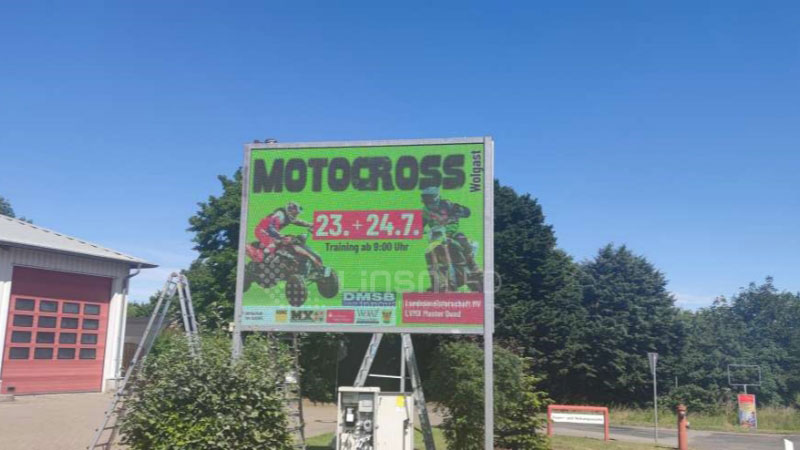
EV960 Series-P6.67-Germany
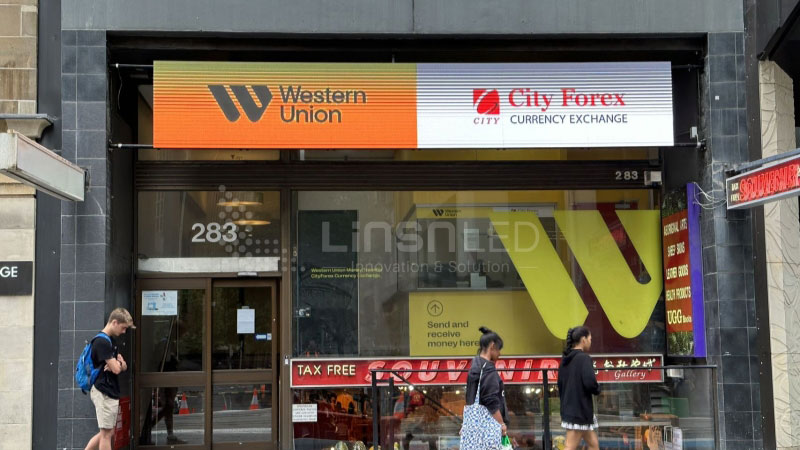
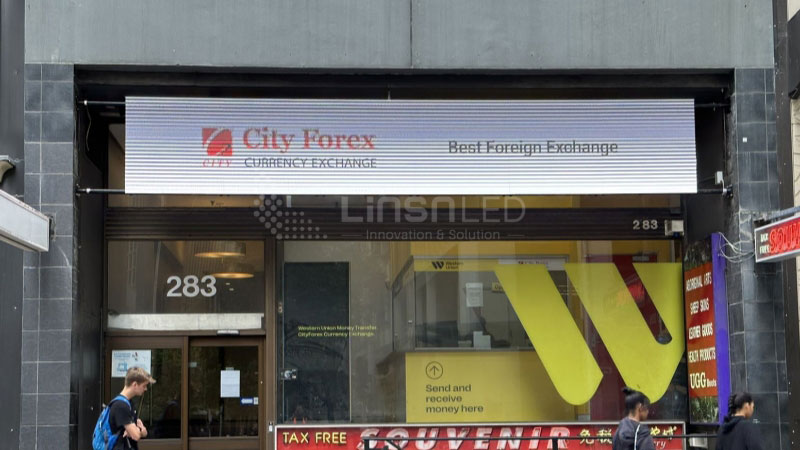
MA960 Series-P4-Australia
8. Installation & Maintenance
Installing an outdoor LED screen isn’t complicated, but there are a few things worth getting right from the start.
8.1 Installation
The steel structure comes first. It needs to be designed and built before the screen arrives — not after. Key things to sort out upfront:
- Wind load calculation based on screen size and location
- Cable routing for power and signal — run them separately to avoid interference
- Front or rear service access — decide based on whether the back of the screen is accessible after installation
- Cabinet leveling — misaligned cabinets create visible seams and shadow lines at the joints
For a full step-by-step walkthrough, refer to the installation videos below.
8.2 Maintenance
Outdoor screens need less maintenance than most people expect, but they’re not zero-maintenance. A basic schedule:
| Frequency | Task |
| Monthly | Check for dead pixels or color shift; inspect cabinet seals |
| Quarterly | Clean ventilation openings; check connector locks |
| Annually | Check structural fasteners for corrosion; run full brightness calibration; replace modules with significant color deviation |
NovaStar NovaLCT software includes diagnostic tools for pixel-level testing — worth running after any extreme weather event.
9. FAQs
How long does an outdoor LED screen last?
LED lifespan is typically rated at 100,000 hours. At continuous 24/7 operation, that equals roughly 11 years of use. In real-world applications, most outdoor LED screens remain in service for 8 to 12 years before brightness reduction or module wear becomes a significant maintenance consideration. Actual lifespan depends on operating hours, brightness levels, and environmental conditions.
Can outdoor LED screens play 4K content?
Yes, but the benefit depends on the screen's native resolution. Large-pitch displays such as P10 billboards typically do not have enough pixels to fully reproduce 4K detail. Higher-resolution outdoor LED screens with finer pixel pitches can take better advantage of 4K source material. For many outdoor advertising applications, the visual difference may be limited.
Do outdoor LED screens work in extreme cold?
Yes. Most outdoor LED displays are designed to operate within a temperature range of approximately -20°C to 50°C. In very cold environments, power supplies and control electronics are usually more sensitive than the LED modules themselves. Always verify the operating temperature specifications before installation.
Can one screen run content for multiple advertisers?
Yes. Content management software allows screen owners to schedule different advertisements at different times throughout the day. This is a standard feature for commercial outdoor digital billboard applications.
What's the difference between an outdoor LED screen and an outdoor LCD screen?
Outdoor LED screens offer higher brightness, stronger weather resistance, and a modular structure that allows individual module replacement. Outdoor LCD displays generally have a lower initial cost but provide lower brightness levels and are less suitable for direct sunlight. When an LCD panel fails, replacing the entire display is often necessary.